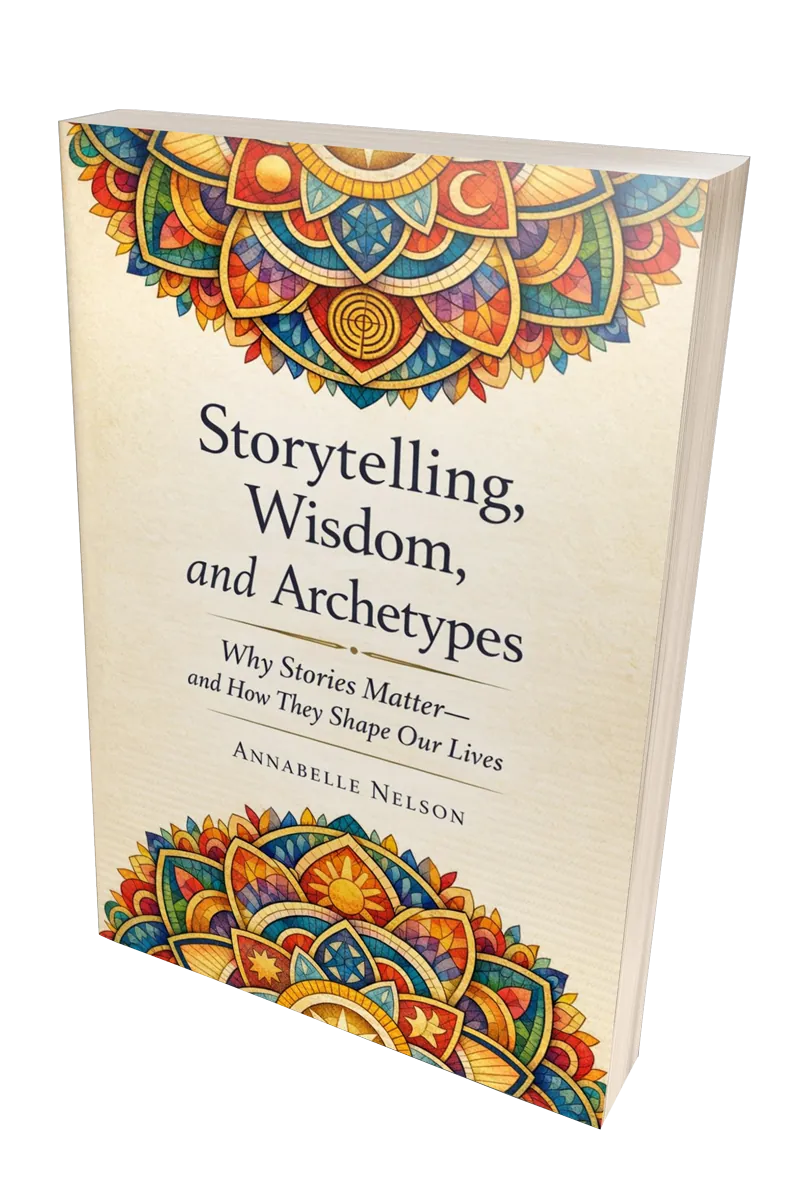
Storytelling, Wisdom, and Archetypes explores the transformative power of story to shape the inner life. Through twenty cultural myths and original tales, Annabelle Nelson shows how hearing stories, telling stories, and recognizing archetypal patterns can open awareness, heal emotional wounds, and help us make sense of our lives.
Drawing on psychology, Buddhism, and Indigenous wisdom traditions, Nelson reveals storytelling as a living practice—one that embodies essential virtues such as choosing acceptance, facing tests, celebrating beauty, embodying bravery, and embracing death and rebirth. With warmth and clarity, she weaves insights from her four-decade journey as a psychologist, researcher, yogi, and Zen practitioner, showing how story becomes a vehicle for emotional health, imagination, and what Thomas Aquinas called “lifability”—the art of making a life work.

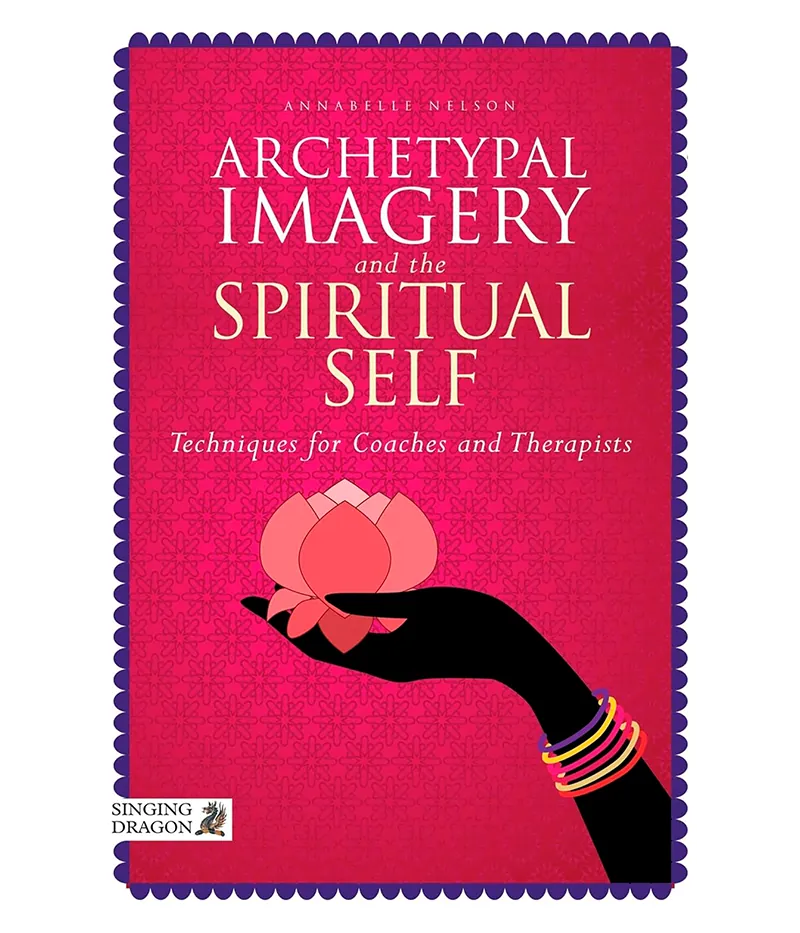
This book helps one move beyond psychological denial so that emotional healing of the unconscious mind can begin. This is the first step in opening the mind to merge with the hidden spiritual self.
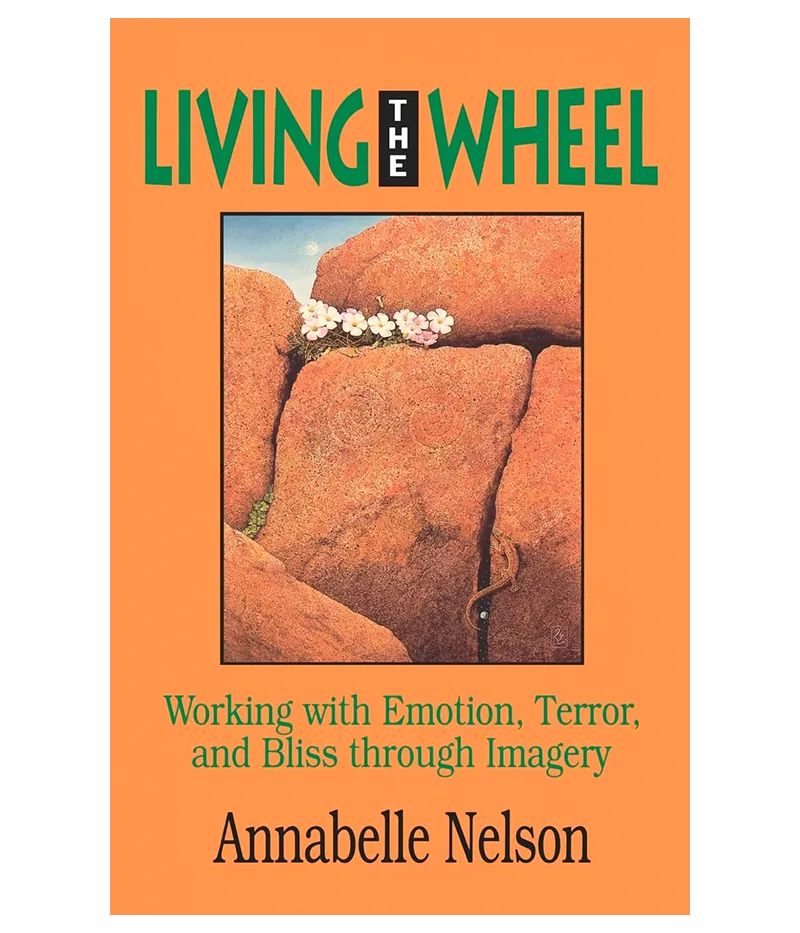
Living the Wheel presents positive techniques for people who have gone beyond the first phases of spiritual work so they can deal constructively with the emotions that are often perceived as being “wrong” or “bad” for someone on this path.
Published by Samuel Wesier, Inc.
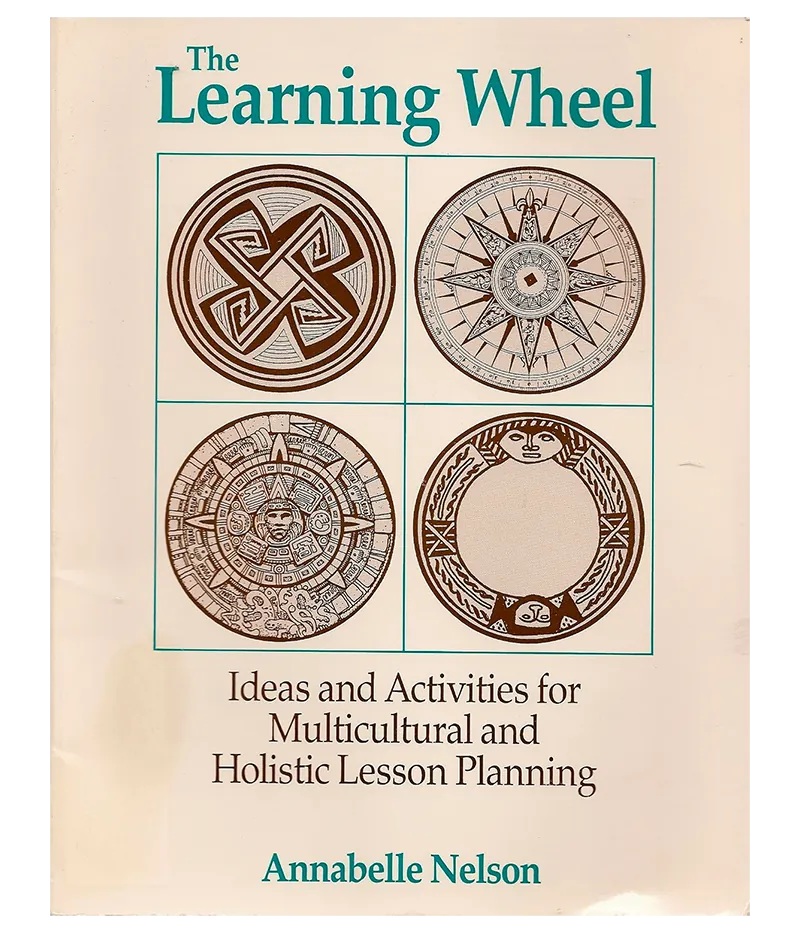
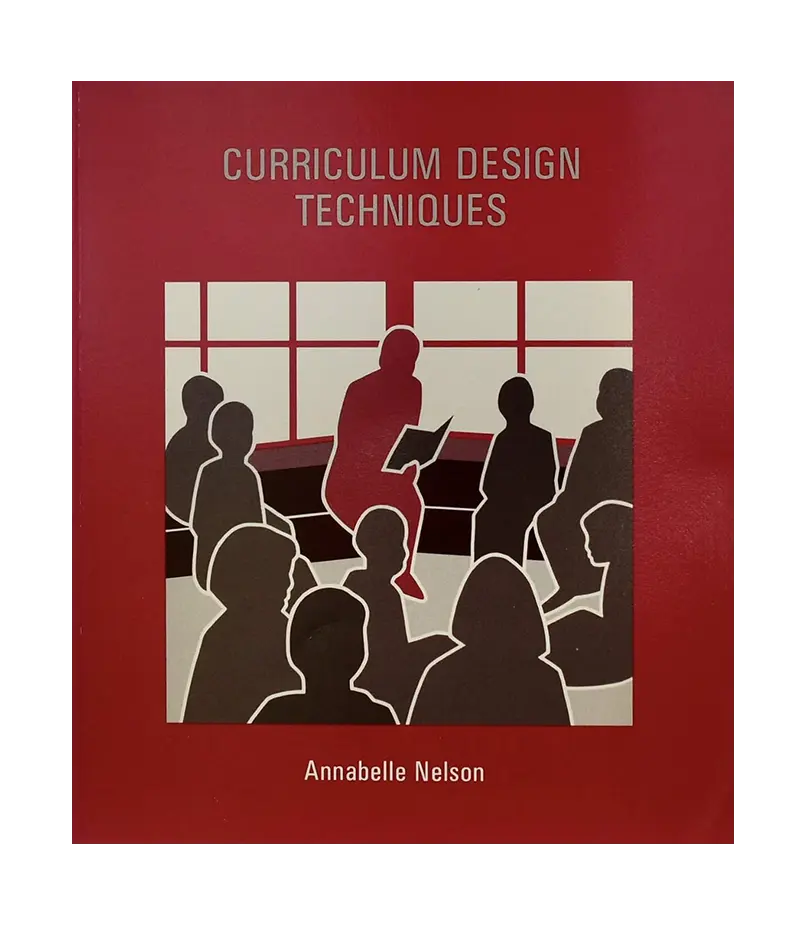
All people learn in different ways and the wheel model of teaching and communication opens up all the senses. By using these methods the teacher, leader, trainer or communicator can tap into total dimension learning.
Multicultural teaching!
The wheel model functions by using art, movement, music, imagery, higher order thinking, cooperative learning and projects. Accelerate learning. For all ages and learning activities.
In answer to overwhelming demand, Dr. Annabelle Nelson has applied the Wheel Council learning model to HIV/AIDS.
This sixteen-part lesson also covers relationship issues and self-efficacy to help young people understand the risks HIV presents and helps them make good decisions accordingly.
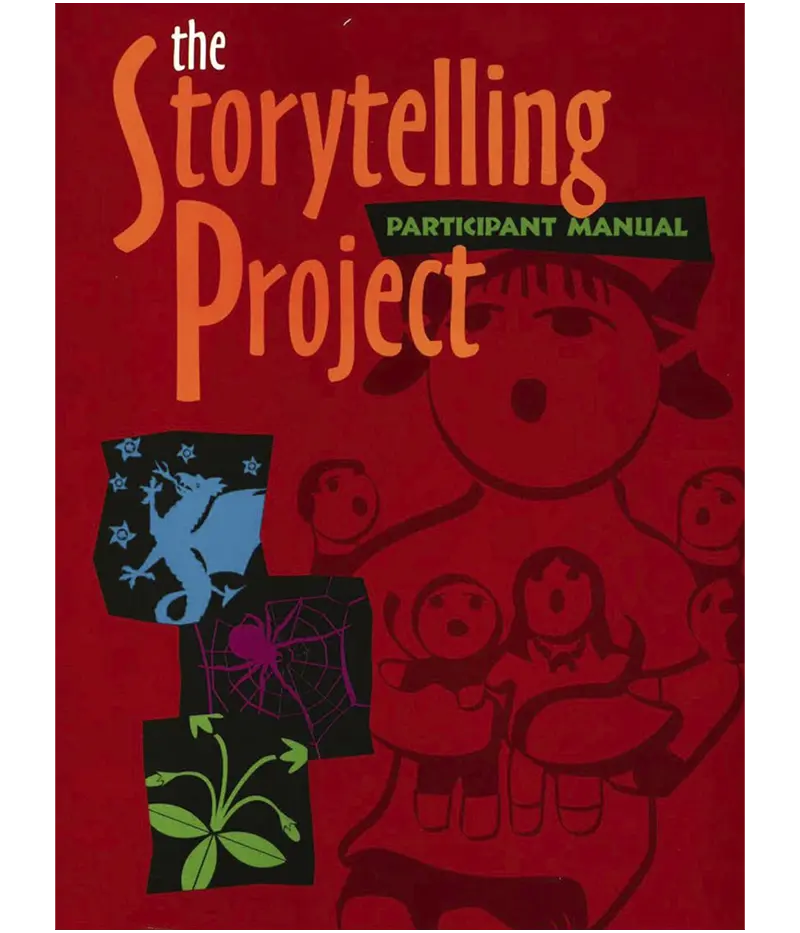
Storytelling is an ancient human technology used since the dawn of time to pass on values and culture and teach humans where they came from and where they are going. Stories give humans a sense of place and connect them to the human spirit which is the source of strength amidst the pain adversity, fragility and mysteries of life. All humans are storytellers and all humans have access to the mythic realm where stories originate.
The Storytelling Project is a series of 10 activities to help youngsters and adults alike to practice the oral traditions of storytelling through games, improve, learning the stages of stories and transforming a personal experience that was difficult, like as “test” into a story from the mythic realm. Helpers, archetypes and archetypal characteristics provide the template for stories. The participant manual designed for youngsters can be adapted for adults. End the activities with a storytelling concert by participants. Art activities, stories and stories which can be used as plays round out this dynamic activity vote.
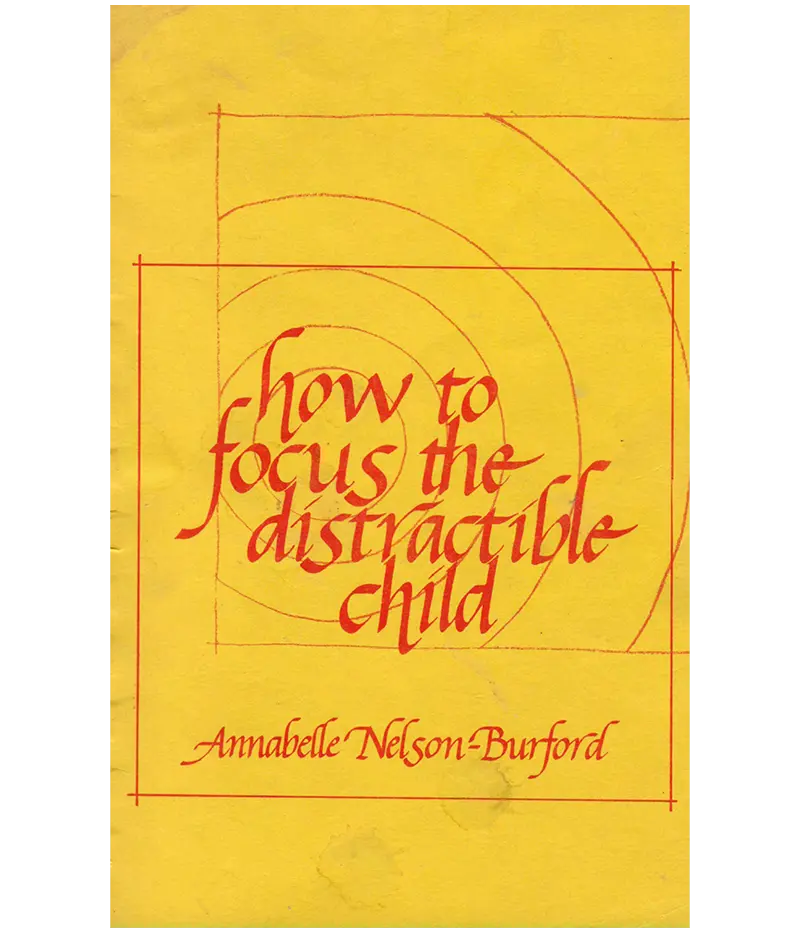
How to Focus the Distractible Child explores why some children struggle to filter out distractions and stay engaged with learning. Drawing on classroom examples, it examines how distractibility affects children and challenges common assumptions about its causes.
The author presents strategies such as self-instruction, imagery, relaxation, and yoga to help children develop greater control over their attention. Written for parents and educators, the book encourages them to recognize each child’s strengths while finding more supportive ways to teach.
The English version of this publication is considered out of print and has limited availability. Websites such as Amazon and Barnes and Noble have limited availability of this title in their used book departments. The Spanish version is a current publication and can be found through the same sources.